Why Kentucky
The Commonwealth's case for digital infrastructure.
Kentucky is being evaluated for large computing campuses for concrete, unglamorous reasons: land, transmission, fiber, roads and skilled labor. Understanding those reasons is the first step to evaluating any individual project on its merits.
The map
A state positioned between markets
Kentucky's location, corridors and existing transmission network place it inside multiple regional grids and multiple regional economies at once.
That position is why interest is arriving across very different parts of the state — the Purchase region in the west, the I-65 corridor, the Louisville and Northern Kentucky metros, and legacy energy sites in the east. Each has a different utility, a different water situation and a different local process.
Competitive advantages
What site selectors are actually evaluating
01
Central U.S. location
Kentucky sits within roughly a day's drive of a large share of the U.S. population. For data center development that matters most during construction — equipment delivery, contractor mobilization, and the ability to staff a multi-year build from a wide regional labor shed.
02
I-65, I-75 and I-64 corridors
Three major interstates cross the Commonwealth, joined by Class I rail, the Ohio and Mississippi river systems and significant air cargo capacity. Heavy equipment, transformers and generators move more predictably and less expensively as a result.
03
Power infrastructure
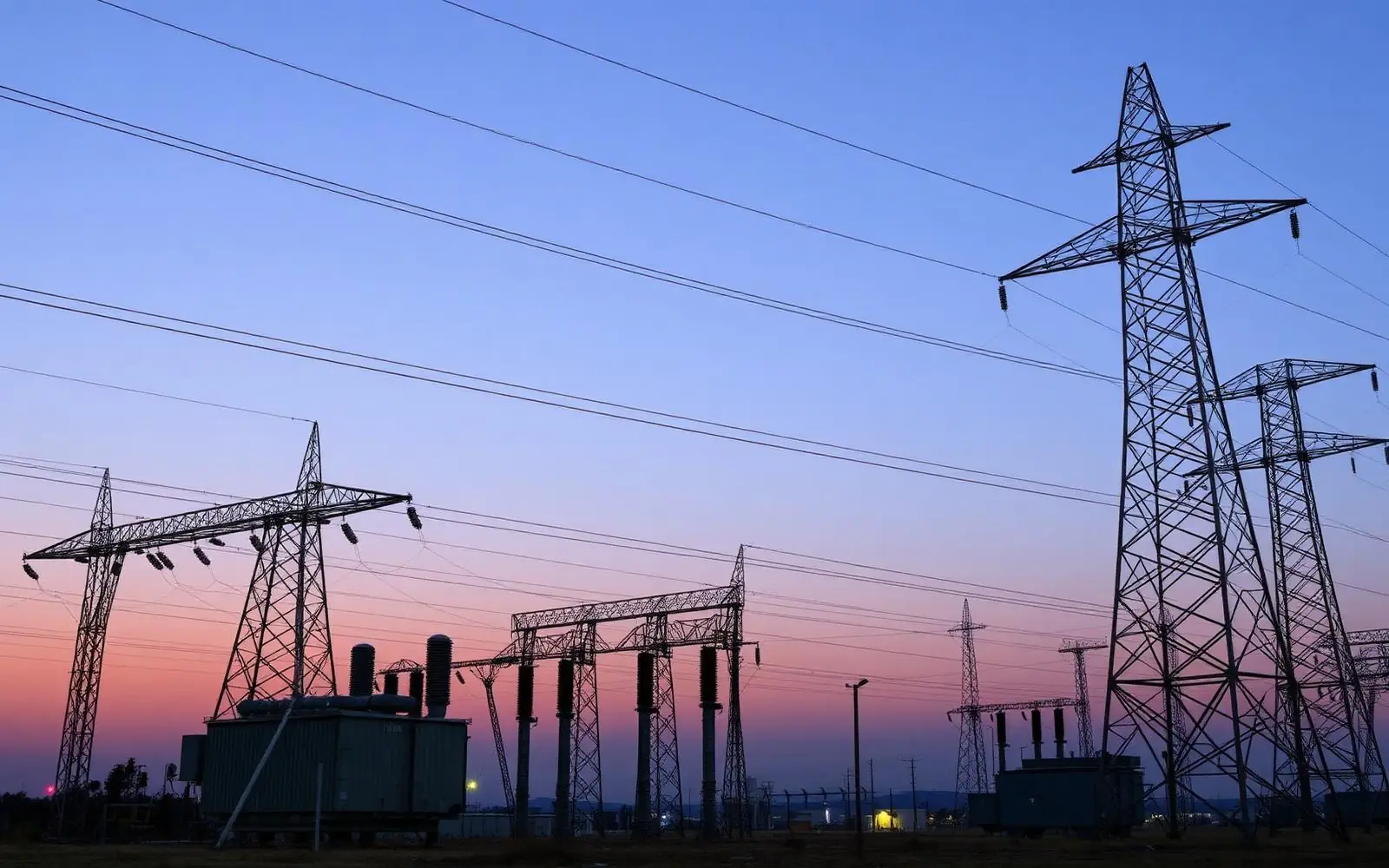
Kentucky's industrial history left behind high-voltage transmission corridors and generation sites, several of them adjacent to land that is available today. Existing interconnection is the single most valuable and least replaceable site attribute for a large load.
04
Industrial land
Legacy industrial parcels, prepared industrial parks and reclaimed mine acreage provide large contiguous sites. Building on previously disturbed land reduces both community conflict and the conversion of productive farmland.
05
Fiber
Long-haul fiber routes crossing the state support the diverse, low-latency paths large facilities require. Route diversity — not just presence — is what site selectors evaluate.
06
Workforce
Decades of automotive, aerospace and appliance manufacturing built a deep bench of industrial electrical, mechanical and controls talent. KCTCS provides statewide capacity to build employer-specific training programs, and Kentucky's building trades supply the construction phase.
07
Business climate
Kentucky's operating cost structure and its established economic development apparatus can shorten the path from evaluation to decision — one of the factors developers weigh most heavily when timelines are measured in months.
08
Economic development infrastructure
The Cabinet for Economic Development, regional partnerships and local industrial authorities provide site readiness, certification and incentive structures that make Kentucky sites easier to evaluate against competing states.
09
Proximity to major markets
Cincinnati, Nashville, Indianapolis, St. Louis and the Southeast are all within reach, putting Kentucky inside several regional demand footprints simultaneously.
The honest caveat
An advantage is not an approval.
Kentucky can be an attractive location and a specific project can still be wrong for a specific community — or right only with conditions attached.
Every advantage listed on this page describes the Commonwealth in general. None of it answers whether a particular site has water capacity, whether the serving utility has a large-load tariff that protects other customers, or whether a county has zoning standards in place. Those are local questions with local answers.